Why Companies Give (and how your CRM can help you act on it!)
The Fireside Fundraising report Why Companies Give is packed with insight for fundraisers. Here's what it means in practice, and how GoodCRM can help you put it to work.

If you work in fundraising, you've probably spent a lot of time wondering what companies actually want from their charity partnerships, and whether your approach is landing the right way. The Why Companies Give (In Their Own Words) report from Fireside Fundraising gives us the best answer to that question we've had in years.
Based on in-depth interviews with 20 people inside 13 companies, across roles from shareholders to sustainability leads, the research goes well beyond polished CSR statements. It tells us what companies say about charities when we're not in the room, and what that means for how we work.
At GoodCRM, we believe that great relationships need great infrastructure behind them. So here are the highlights from the report, the actions it suggests, and how your CRM can help you put them into practice:
What the Report Found
Companies give for more than you think
The research identified five core motivations for corporate giving, listed in order of how often they came up:
Living their values: for many companies, especially smaller ones, charitable giving is simply part of who they are. It is embedded in culture, not just policy.
Enhancing employee experience: partnerships help attract and retain staff by giving them something meaningful to connect to.
Delivering on their own social purpose: larger, purpose-led organisations see charities as a route to achieving their mission, not the other way round.
Reaching the right audience: some companies partner strategically to connect with specific communities, customers, or future talent.
Compliance and regulation: for businesses with public sector contracts, demonstrating social value is often a requirement.
One finding that will surprise many fundraisers: reputation came up almost not at all as a primary motivator. Most of us assume companies give to look good. The research says otherwise. Credibility with a specific audience, yes. Generic PR? Rarely.
Six things make or break a partnership
Beyond motivation, the report identifies six drivers of partnership success:
Get beyond the surface: build a deep evolving understanding of the company's goals, culture, and pressures, and keep going once the partnership starts.
Invest in your allies: your day-to-day contact at the company carries enormous influence. Equip them to champion you internally.
Create the community: staff engagement matters hugely, but it doesn't have to mean volunteering. Storytelling, fundraising, and shared goals all count.
Raise the bar: companies expect professional standards. Missed emails, typos in proposals, and slow responses damage trust quickly.
Prove the power of partnership: regular, tailored impact data and compelling human stories keep companies invested and proud.
Pride yourself on possible: a long-term mindset, curiosity, and openness to co-creation are what turn a pilot into a multi-year strategic partnership.

Power dynamics matter
The report introduces a useful framework called the Power Dynamics Paradigm, which distinguishes between three types of corporate relationship: donor, client, and partner. Each requires a different approach and carries different expectations.
Knowing where you actually stand with each company, and being honest about it, is the foundation for managing the relationship well.
What This Means for Charities: Key Actions
The report is admirably practical. Its core message is this: stop guessing, start asking. Corporate giving isn't a given, and a worthy cause alone is not enough. The charities that build lasting, high-value partnerships are the ones that do the work to understand their corporate contacts as human beings with real pressures, goals, and limited time.
Here is what the report recommends in practice:
Before your first meeting, prepare questions to uncover the company's motivations, culture, KPIs, and decision-making structure. Ditch the slide deck until at least meeting two.
Build partner personas to help your whole team understand who they're dealing with, not just the fundraising lead.
Know your contact's KPIs: if you don't know what they're measured on, you probably don't know enough.
Stay in regular contact, even with a quick message. The research found companies feel charities go quiet far more often than fundraisers imagine. This costs relationships.
Provide regular, shareable impact updates that your contact can pass on internally without needing to rewrite them. Make their job easy.
Set standards for your team: response times, proposal quality, follow-up consistency.
Think beyond the financial. Companies want to feel like partners, not funders. If your only interest is the cheque, they will find someone who offers more.
How GoodCRM helps you put this into practice
The report's findings aren't just about attitude. They require systems. To truly act on what Fireside has uncovered, you need to be able to store insight, track relationships, coordinate your team, and report on impact, all in one place.
That is exactly what GoodCRM is built to do.
Here is how GoodCRM's functionality maps directly to the report's six drivers:
1. Get beyond the surface: know your companies deeply
What the report says: The charities that impress companies are those that invest in genuine curiosity, before the partnership starts and throughout its life.
How GoodCRM helps:
GoodCRM's custom fields let you build a rich profile of every corporate prospect and partner. You can create fields to capture things like:
Primary motivation for giving
Their own social purpose statement or theory of change
KPIs their contact is measured against
Sector-specific language they use
Internal decision-making structure
Their business calendar: busy periods, board meeting dates, key internal deadlines
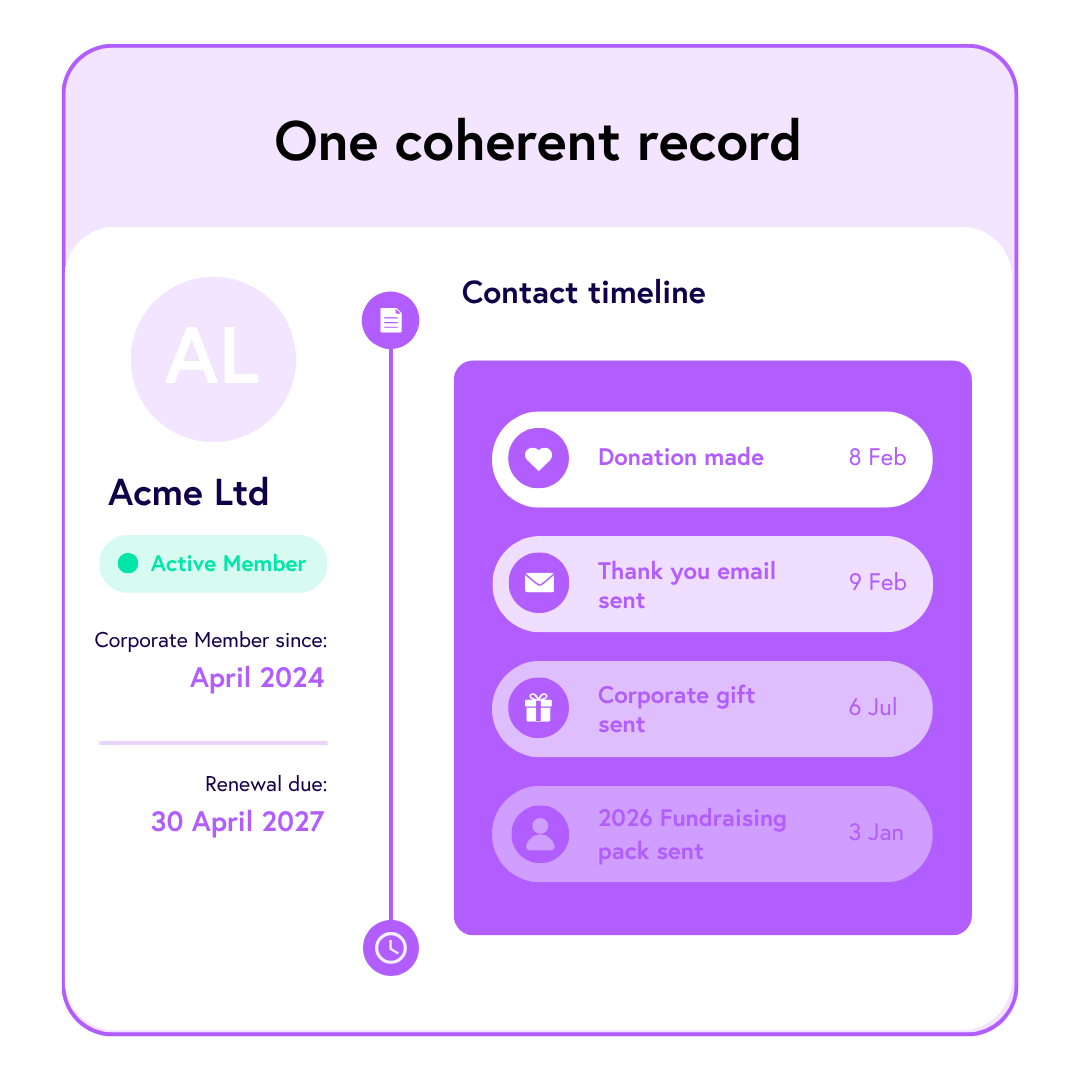
Connection fields let you link a company record to the individuals within it, so you can see at a glance who your main contact is, who the decision-maker is, and who the informal internal champion might be. This directly addresses the report's finding that the day-to-day contact and the final decision-maker are often different people.
Tags and segmentation let you filter your portfolio by motivation type, relationship stage, or sector, so you can prioritise the right companies for the right asks at the right time.
2. Invest in your allies: track and support your contacts
What the report says: Your internal champion at the company is often the most important person in the relationship. They are spinning plates, emotionally invested, and need you to make their job easy.
How GoodCRM helps: Every interaction, note, and update is logged against the individual contact record, not just the organisation. This means your whole team can see the history of a relationship, even if the lead fundraiser changes, which is a common risk in corporate partnerships.
Activity logging lets you record what was discussed, what was promised, and what follow-up is needed, so your contact always feels remembered and valued.
3. Create the community: plan staff engagement from the start
What the report says: Companies want their staff to feel connected to charitable work. This does not have to mean volunteering. What it does mean is planning engagement early and making it tangible.
How GoodCRM helps:
You can use custom fields and notes to capture what staff engagement looks like for each partnership: whether that is a fundraising challenge, an internal talk, a storytelling feature in their newsletter, or a visit to your premises. This becomes part of the partnership record, not an afterthought.
Tags can flag partnerships where staff engagement has been identified as a key success measure, so your team knows to build this into the proposal and the ongoing plan.
Activity tracking means that events and activities delivered as part of the partnership, and wider charity events attended by corporate staff, can be linked back to the partnership record, giving you a clear picture of staff engagement and partnership activity over time.
4. Raise the bar: consistent, professional standards
What the report says: Professionalism is seen as the exception, not the norm, in corporate fundraising. Basic mistakes, slow responses, and poor materials damage trust quickly.
How GoodCRM helps:
GoodCRM's pipeline views give you a clear picture of where every prospect and partner is in the relationship journey, so nothing slips through the cracks. You can see at a glance which companies are awaiting a proposal, which are in active conversation, and which are due a renewal conversation.
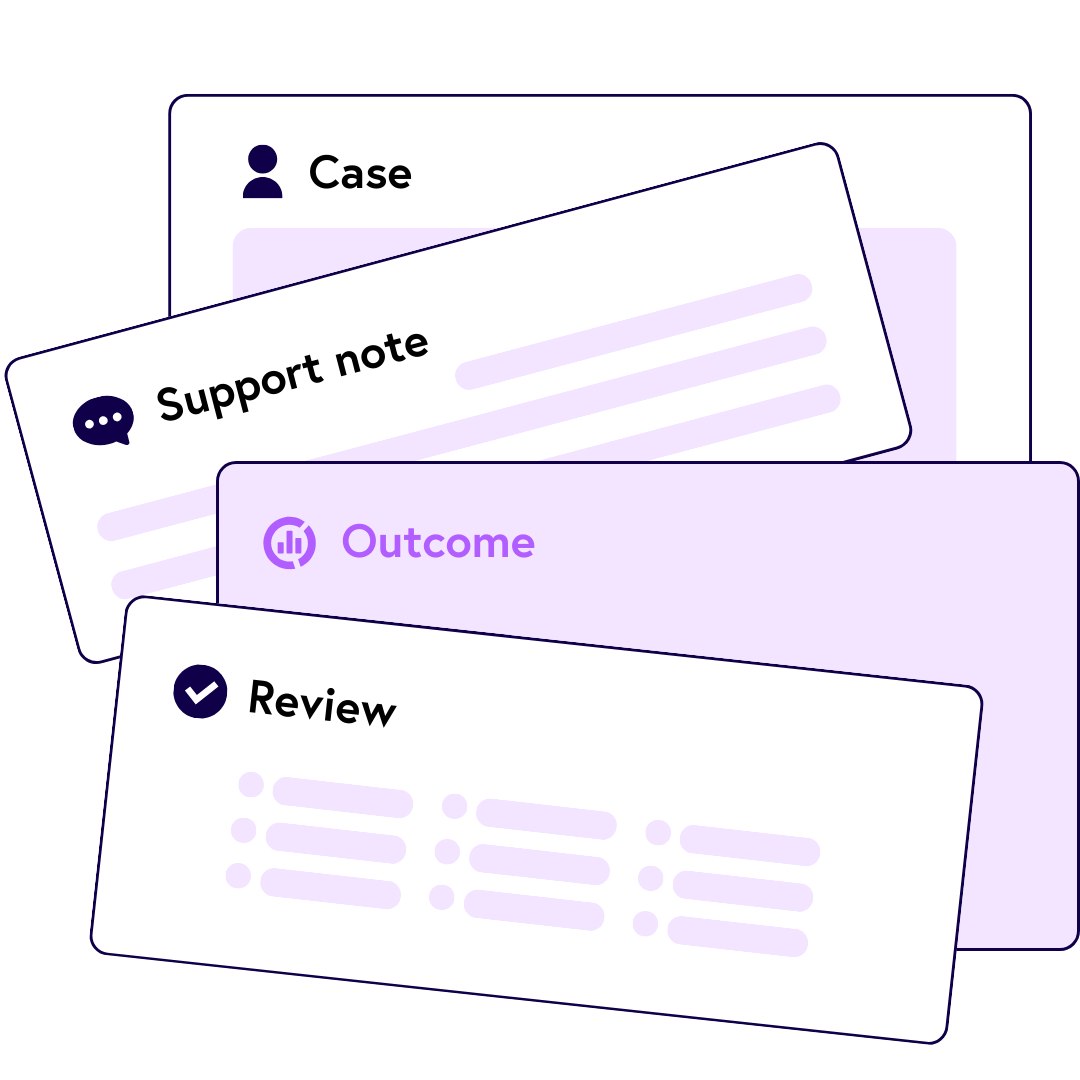
Case Management tools will keep your team accountable. You can set internal SLAs for response times and use tasks to flag when a follow-up is overdue, and attach MOUs and partnership agreements to the case notes, with a full audit history showing any changes or amendments over time.
Proposal and communication templates stored in your GoodCRM document library or linked from your preferred tools ensure that materials going out to companies are consistent in quality and tone, whoever sends them.
5. Prove the power of partnership: impact reporting that works
What the report says: Companies need data and stories, regularly, in formats they can share internally. Without this, trust erodes and partnerships end.
How GoodCRM helps:
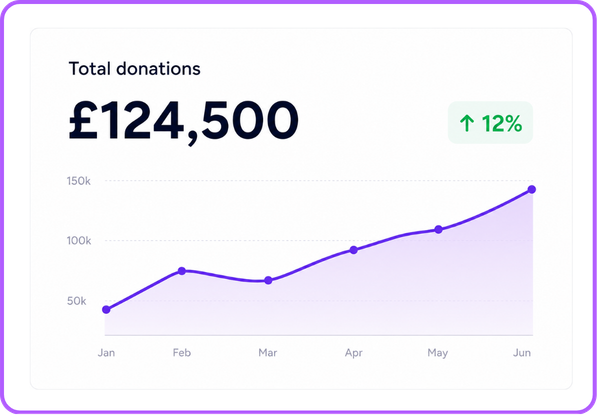
GoodCRM’s complex segmentation tools lets you track donations, activities, and outcomes at the partnership level, so you can pull together a clear picture of what a company's support has achieved. Whether it is funds raised, people reached, or specific project milestones, this sits in the record and can be drawn on for reporting.
Custom fields can capture the metrics your corporate partner cares about specifically, whether that is social value delivered, hours volunteered, or carbon impact. This means your reporting is always tailored to their KPIs, not just your own.
For organisations wanting to share impact updates regularly, GoodCRM's contact records support communication history, so you can track when a company last received an impact update and ensure no one goes too long without hearing from you.
6. Pride yourself on possible: manage a long-term portfolio
What the report says: The strongest partnerships start small and grow. Managing a portfolio with long-term potential requires clarity about where each relationship sits and where it could go.
How GoodCRM helps:
GoodCRM's segmentation and filtering tools let you look across your entire corporate portfolio and categorise relationships by type (donor, client, partner, in the language of the Fireside report's Power Dynamics Paradigm), by stage, and by potential value.
You can use custom fields to capture each company's long-term potential and the next step needed to develop the relationship, ensuring that even a small pilot is treated as the beginning of something bigger.
Pipeline reporting gives your leadership team a clear view of corporate income at every stage, which supports the honest internal conversations about realistic timelines that the report highlights as essential.
Ready to Grow Your Corporate Income?
The Why Companies Give report makes one thing clear: the charities that will win the biggest partnerships are the ones that invest in their relationships, work professionally, and use data to prove their worth. That takes more than good intentions. It takes the right systems behind you.
GoodCRM is designed to help you do exactly this: manage your relationships deeply, communicate consistently, and demonstrate your impact in ways that make companies proud to partner with you.
Download our Corporate Strategy Planning Tool 👉
Book a demo to see how GoodCRM can help you grow your corporate fundraising. 👉 goodcrm.co.uk/demo